
What is Flip First?
Flip First is a growing group of Waiheke families coming together to support one another in making thoughtful, intentional choices about when we should give our kids access to apps, social media and internet-in-their-pocket.
We’re considering getting them “flip” phones instead of smartphones.
⚠️ UPDATE: Some are committing to no phones (or bricked phones) which is welcome news, too!
The evidence is clear (below): early exposure to smartphones and social media is linked to rising anxiety and depression, disrupted sleep, cyberbullying, poor body image, social withdrawal, reduced attention spans, academic distraction, addictive behaviors, and a weakening of real-world family and peer connections — all while interfering with kids’ natural development of independence, curiosity, resilience, and healthy risk-taking.
And yet… the pressure to hand these devices over to our children is very real.
Kids reach a certain age and suddenly everyone seems to have a phone. Parents find themselves caught — wanting to protect their child’s well-being, but also not wanting them to feel excluded or fall behind socially. It’s not easy to hold the line when it feels like you’re doing it alone.
That’s where Flip First comes in! We’re hoping to create a shared path forward — potentially switching to “flip” phones, as a unified front. With support, coordination, and honest conversation, we can give our kids a slower, healthier entry into the digital world.
UPDATE: We’re hearing from parents about lots of great options like The Light Phone and Samsung Safe Surfer phones, Pixbee watches, Pinwheel phones, Brick device, old-school landlines etc. Keep the ideas coming - everything should be on the table!
Let’s brainstorm
If you’re interested in joining the discussion, leave your details and share Flip First’s call-to-action with friends and neighbors! The more families that step up, the stronger we’ll be.
Consider the risks
We all know smart phones and social media aren’t good for kids, but this recent article in The Atlantic really drives home the need to take action and the keys to breaking the cycle. It’s an article every parent - especially those of young girls - needs to read in full…

TL;DR
If you can’t get past the paywall, or don’t have time for the full article, the basics are summarized below. While the stats refer to American youth, this is a warning to us here on Waiheke of what’s to come if we don’t act…
America : a cautionary tale
American teens today spend 7 to 9 hours a day on screens, with about 5 hours dedicated to social media alone. That doesn’t include schoolwork which - put together - amounts to nearly every waking hour for many kids. As a result, real-life experiences—face-to-face friendships, sleep, exercise, unstructured play—have been crowded out.
Teen sleep levels began to fall in the early 2010s, just as screen time surged. Book reading and imagination have declined. Most devastating of all: the average amount of time teens spend with friends each day (outside school) has been cut in half. They are growing up more isolated, anxious, and unsure of themselves than any generation in memory.
Girls in particular are vulnerable. Research shows they’re spending hours in social comparison loops on platforms engineered to exploit insecurity—being pushed by algorithms toward beauty obsession and constant performance.
Rates of anxiety, depression, and self-harm among teens have exploded. The suicide rate for girls aged 10 to 14 has increased by 131%, and emergency room visits for self-harm in children spiked sharply.
This isn’t just an American problem, it’s taking hold here now as well.
They don’t even like it!
The result isn’t just mental illness. It’s a generation that feels less confident, less curious, less socially skilled, and less connected to older generations or even to their own communities. These kids have been handed over to influencers and algorithms during the exact years when they should be absorbing wisdom and identity from the real world and family.
And the most tragic part? They don’t even like it. When researchers asked college students how much they’d pay to live in a world without Instagram or TikTok, a majority said they’d rather pay than keep using it—if only everyone else would stop, too. This is what social scientists call a collective-action trap.
Kids don’t feel like they can opt out unless everyone else does, too. They need our help!
There are signs of hope
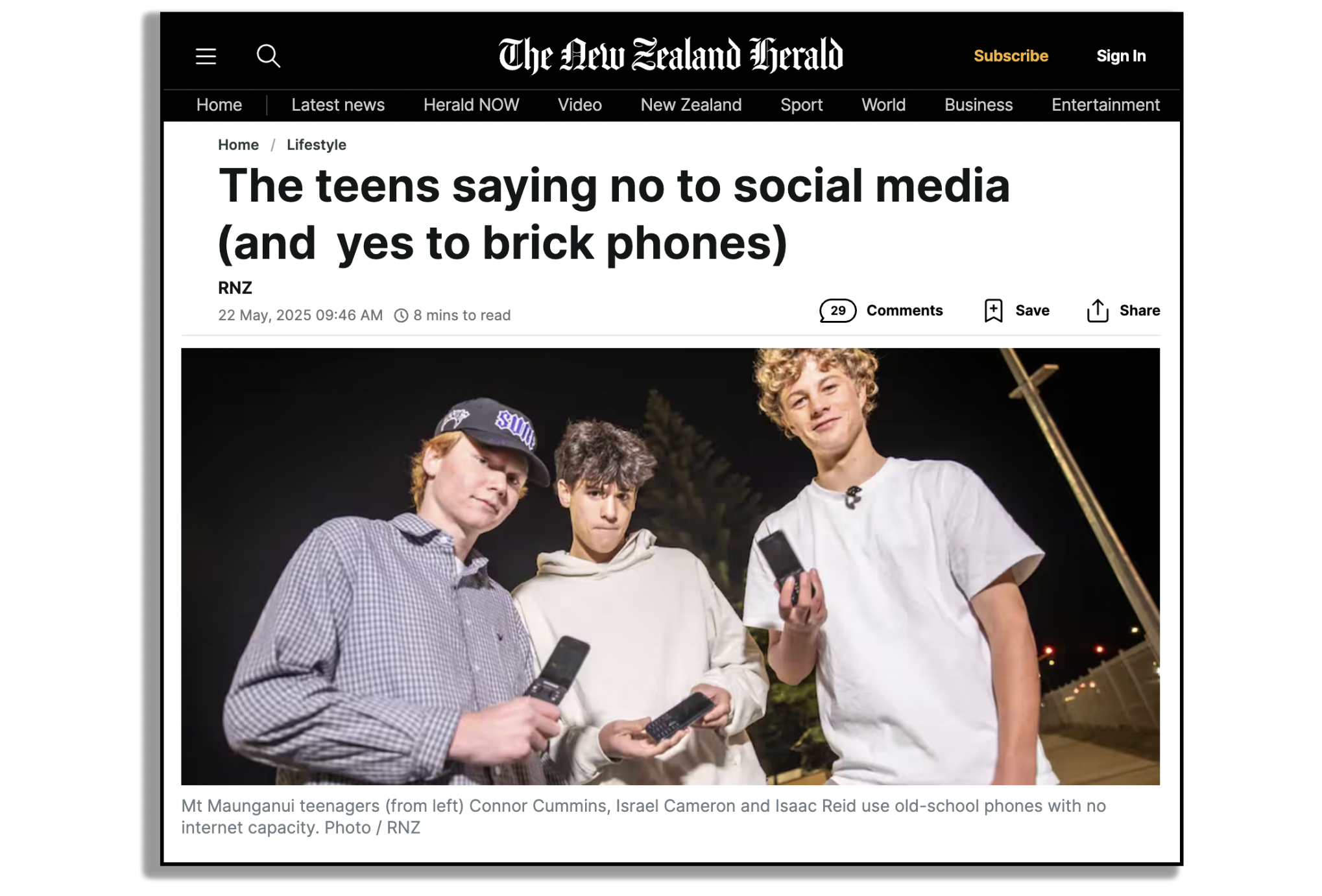
Recently, The New Zealand Herald highlighted a group of teenagers in Mount Maunganui who are swapping smartphones and social media for “brick” phones to make time for skating, surfing, and band practice. Let’s follow their lead!
So what can we do?
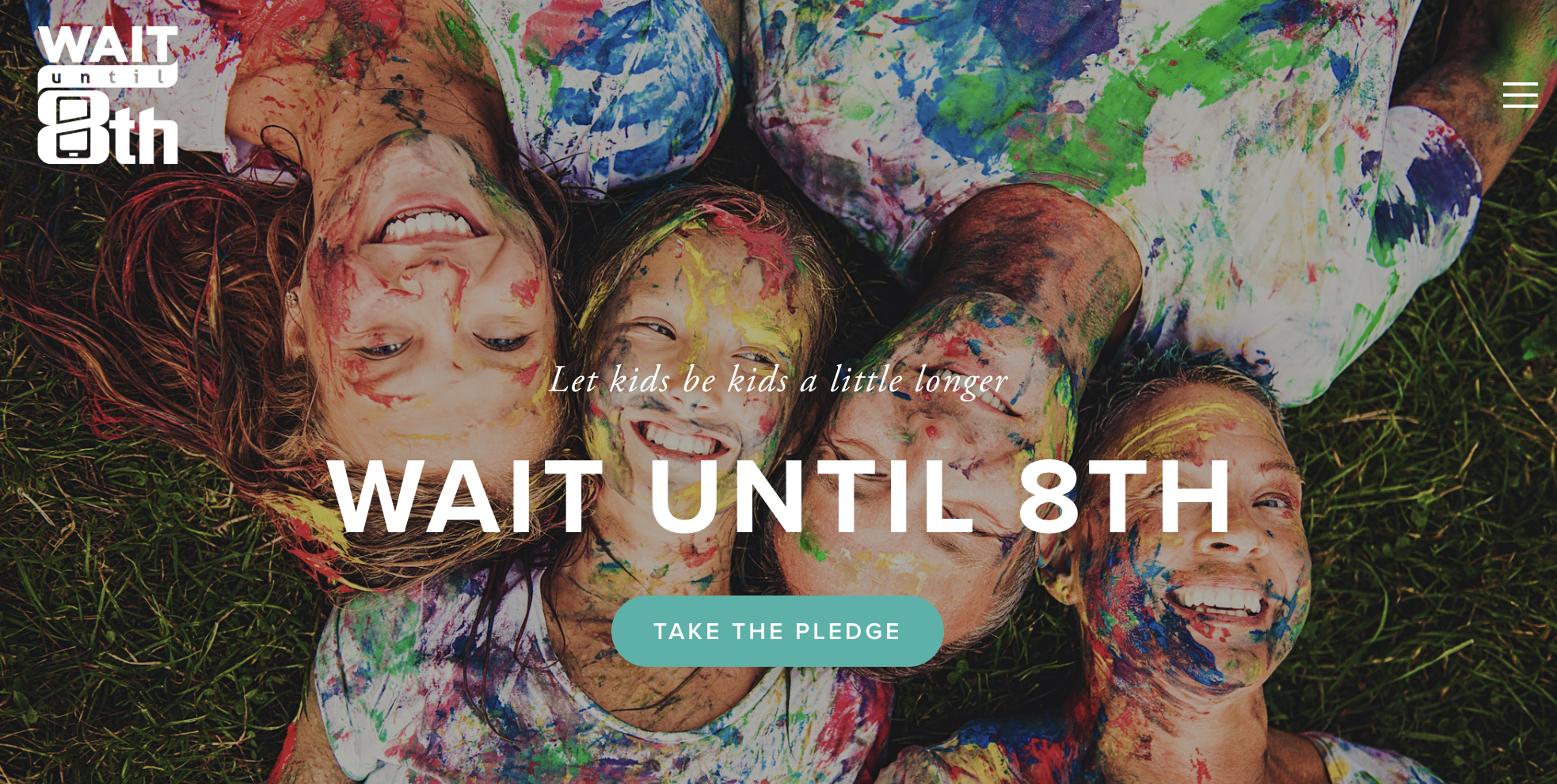
The key is “we”. The solution can’t just be individual. It has to be community-wide. The good news is that we don’t need to reinvent the wheel, we just need to stand together and follow the lead of others who have led the way - like the Wait Until 8th (grade) pledge in the States.
For starters we can:
Hold off on social media until 16 (may be law soon);
Keep phones out of kids’ bedrooms at night;
Secure our own tablets and devices;
Lock down apps (like Youtube) on our smart TVs;
Give kids an old smartphone when they go off-island - and swap it with a flip phone the minute they get home.
Consider safer smartphones as a last resort
Lots of solid guidance, but if we only do one thing, let’s flip to flip phones (or no phones).
But, the money?
It might feel easy to hand your child the old iPhone from the drawer — it’s already paid for, and with Wi-Fi, it works "for free."
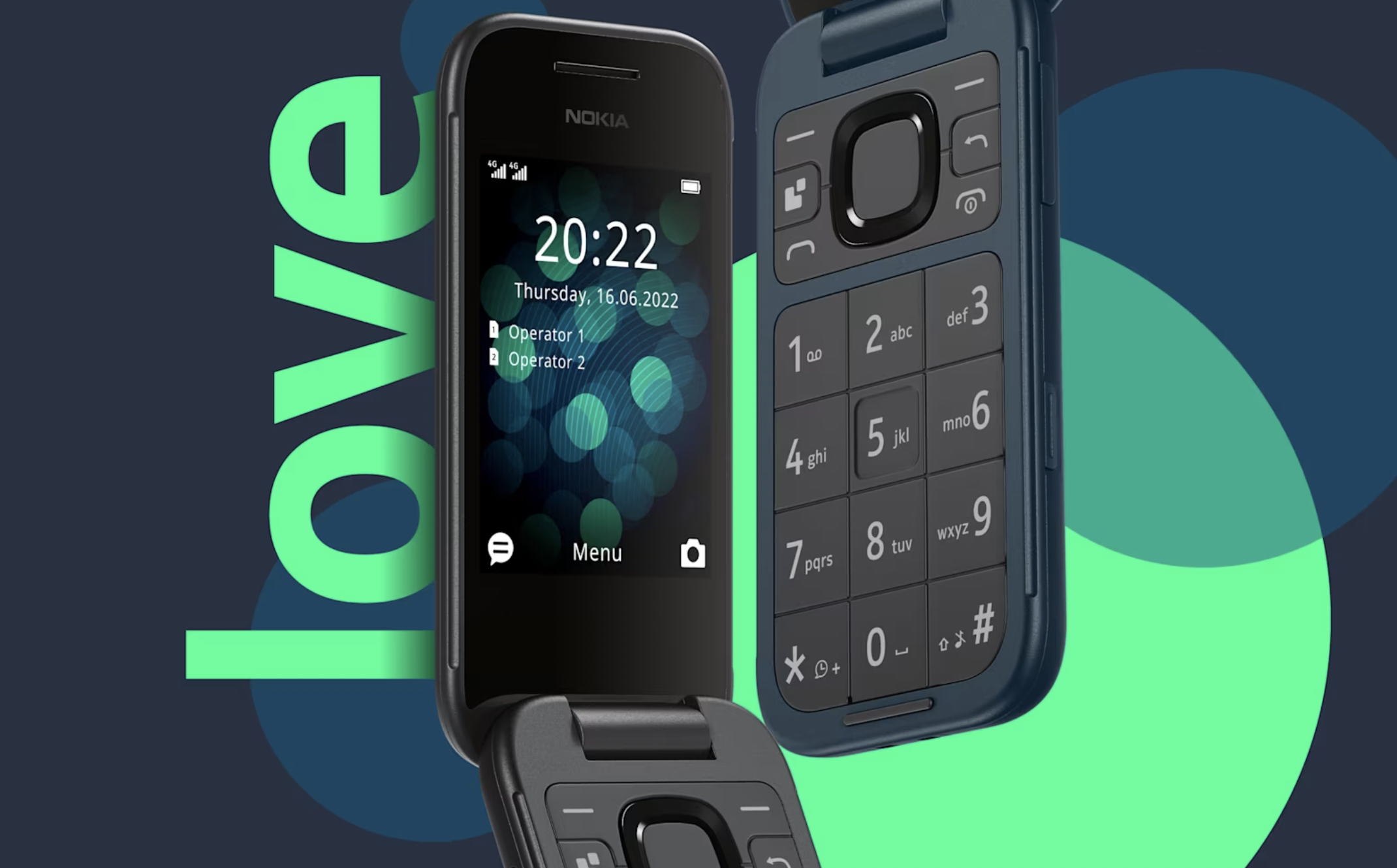
But before you do, consider this: for under $100, you can buy a brand-new 4G flip phone and pair it with a simple prepaid plan (like One NZ or 2degrees) for just $8–$16/month. That means real calling and texting, anywhere — no apps, no social media, and no distractions.
More importantly, a flip phone works off Wi-Fi — so your child can call you (or 111) in a real emergency, even if they’re out and about.
Over a year, the cost of doing it the right way — phone and plan included — might be just $100–$200. That’s a small price to pay for peace of mind and a slower, safer introduction to the digital world.
(And our 11-year-old daughter thinks these retro phones - with FM radio - are super cool!)
NOTE: FlipFirst.NZ does not endorse any particular phone models, plans or cell providers!
It starts with a conversation
Are you interested in helping make a plan - or just interested in hearing what we come up with? It starts here. Leave your email up top to be a part of the discussion!
UPDATE: We’re hearing from parents about lots of great options like The Light Phone and Samsung Safe Surfer phones, Pixbee watches, Pinwheel phones, Brick device, old-school landlines etc. Keep the ideas coming - everything should be on the table!
